
About the Court
The Hopi Tribal Courts serve as guardians of law and order within our Tribe, ensuring justice is clear, accessible, and grounded in our traditions.
Hopi Judicial Staff
Meet the dedicated individuals who serve the Hopi community within the Judicial Branch.
Judges
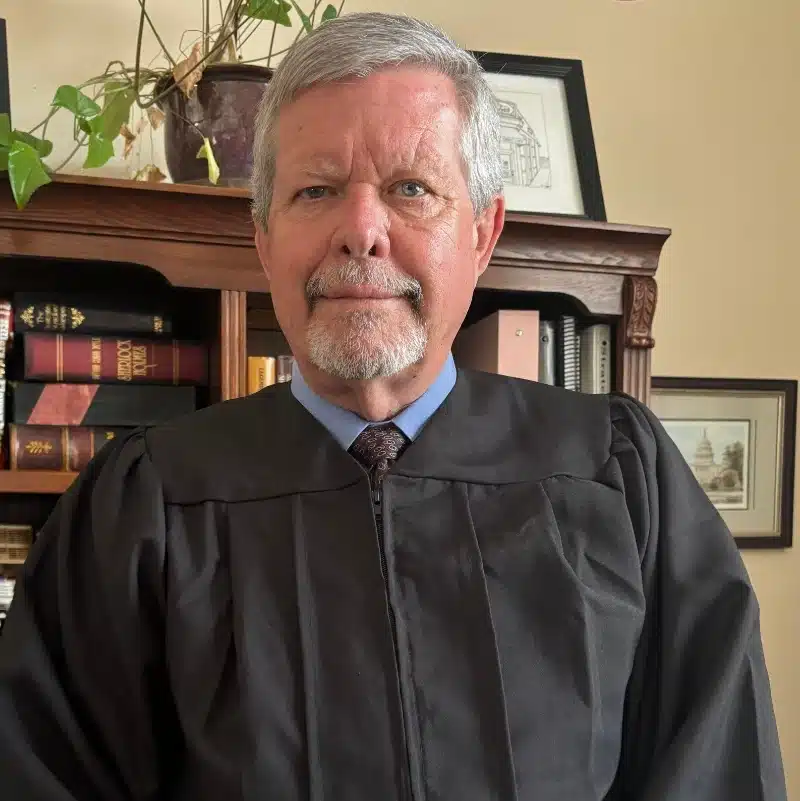
Craig F. Wallace
Senior Associate Judge
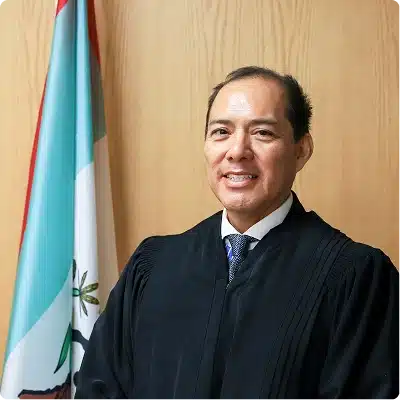
Walter C. Edd
Associate Judge
Administration

Tashawnna Tewawina
Court Administrator

LaVaun Dyer
Grant Manager

Cheryl Polingyumptewa
Judicial Secretary

Belena Harvey
Secretary II
Court Clerks

Carol Ovah
Chief Court Clerk

Margene Namoki
Deputy Court Clerk
Probation

Emerson Ami
Chief Probation Officer
Court Security / Bailiffs

Kingston Honahni
Chief Security Officer

Ramon Howato
Bailiff

Jeffrey Dennis
Security Officer
Grounded in tradition and guided by law.
The Hopi Judiciary consists of two primary levels: the Trial Court and the Appellate Court. Our core responsibility is to apply and interpret the law fairly and consistently. The laws we uphold include Hopi customs and traditions, Hopi Ordinances, the Hopi Tribal Constitution, Common Law, and applicable Federal and State laws.
Civil & Traffic Courts
Jurisdiction, Civil Actions, and Traffic Court
The Hopi Judiciary’s core responsibility is to apply and interpret laws, including Hopi customs and traditions, Hopi Ordinances, the Hopi Constitution, Common Law, and applicable Federal and State laws.
Civil Court
The Trial Court holds original jurisdiction over all civil actions or controversies arising under the Constitution, laws, customs, and traditions of the Tribe. All civil causes of action arising within our jurisdiction must be brought here before being litigated elsewhere. This includes civil regulatory actions involving the registration of convicted sex offenders who live, work, or attend school in the Hopi Territory.
Traffic Court
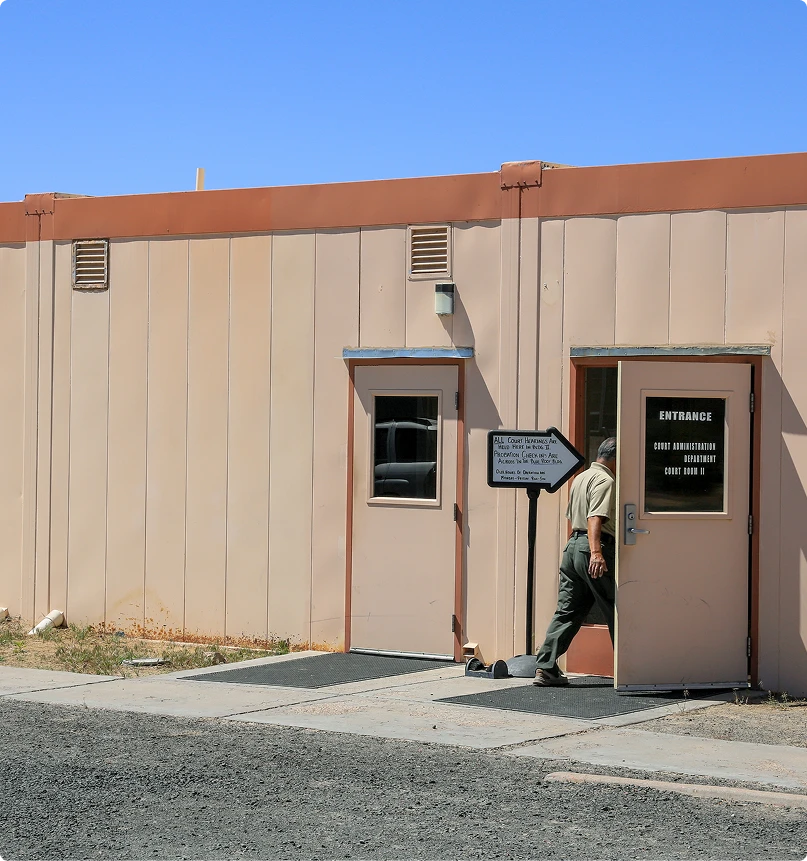
The Trial Court has exclusive original jurisdiction over all civil traffic infractions and criminal traffic offenses committed within the Territory. Civil Traffic hearings are held on Thursday afternoons at 02:30 p.m. in Courtroom II before a Traffic Hearing Officer.
SECURITY
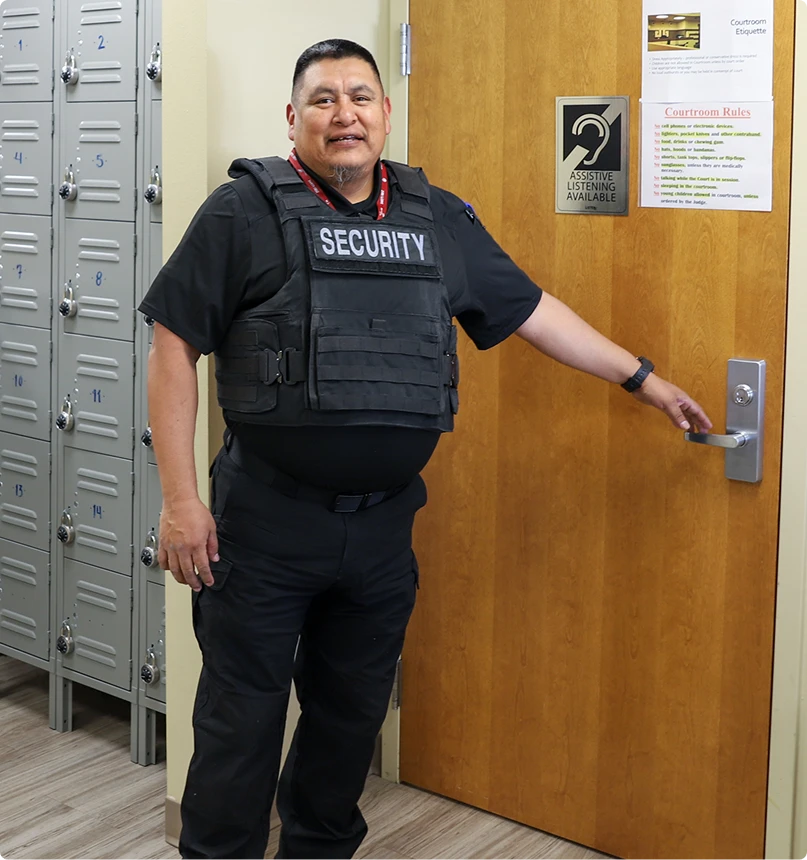
Courtroom Conduct and Security Procedures
The Hopi Trial Court holds the power and duty to preserve and enforce order in its immediate presence and during all proceedings. To protect the integrity of the judicial process, all visitors must conduct themselves with dignity and respect.
A judge may punish individuals for contempt of court for failing to adhere to these standards. Unacceptable conduct includes:
- Engaging in disorderly, contemptuous, or insolent behavior toward the judge.
- Disobeying or resisting the carrying out of a lawful order issued by the judge.
- Refusing to be sworn in or to answer as a witness, or disobeying a duly served subpoena.
- Interfering with any person or property in the custody of an enforcement officer.
Punishments for contempt of court may include a fine of up to $100.00, imprisonment for up to 45 days, and court costs.
Navigating the Criminal Court
If an individual is arrested and charged with a criminal offense, they will go through a specific legal process. While the Court cannot provide legal advice, the standard progression from arrest to appeal includes:
Children’s and Juvenile Courts
These are special subdivisions of the Trial Court. Because they involve youth, these hearings are strictly closed and confidential to protect the privacy of the minors involved.
ChILDREN’S COURT
This court exercises jurisdiction over matters involving child abuse and neglect, Minors-in-Need-of-Care (MINOC), and Indian Child Welfare Act (ICWA) referrals.
- Informal Resolution: Child Protective Services (CPS) may determine the matter can be handled informally without court intervention.
- Adjudicatory Hearing: The Judge hears evidence regarding MINOC petitions. If allegations are supported, the child is placed in CPS custody, and a pre-dispositional report is ordered.
- Dispositional Hearing: The Judge reviews reports and issues orders, which may include counseling, CPS assistance, or foster care.
- Status Review Hearing: Held within 90 days of disposition to review progress and issue further orders until the home is stable.
Juvenile Court
This court handles cases for minors under 18 accused of delinquent acts (acts that would be crimes if committed by an adult).
- Custody & Adjudication: A minor may be cited and released to a parent, or detained pending a hearing. An Arraignment and subsequent Adjudicatory Hearing determine if the allegations are sustained beyond a reasonable doubt.
- Disposition: Options include confinement in an approved facility or probation with release to a guardian. Restitution or rehabilitation may be ordered. When the court’s jurisdiction ends, law enforcement and juvenile records are expunged.
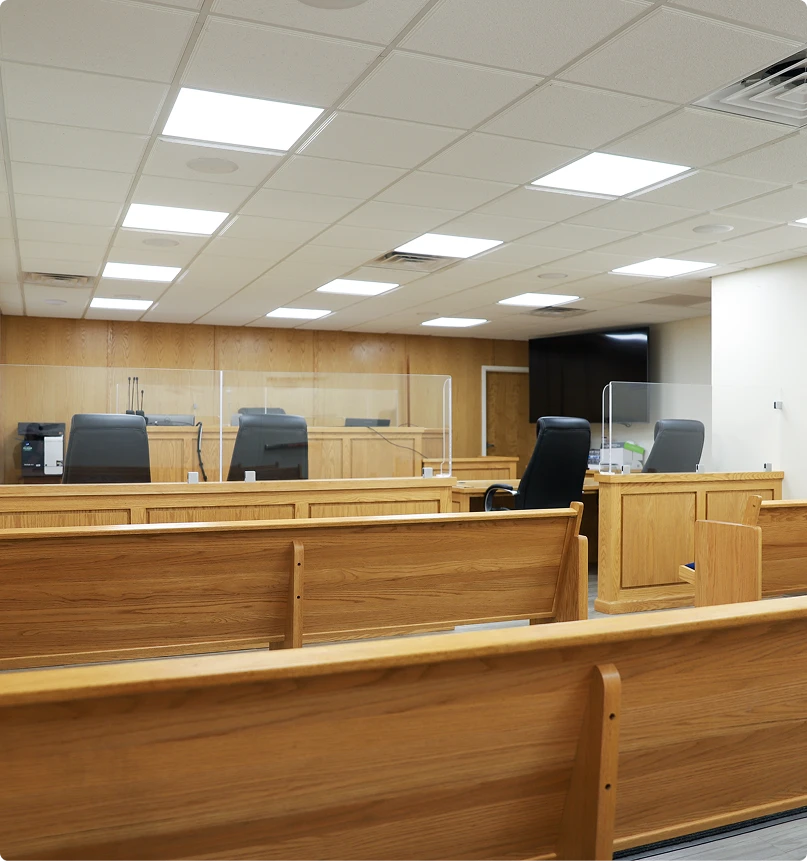

JURY DUTY
Serving on a Jury Strengthens Our Justice System
Jury service is a fundamental civic responsibility. To qualify, you must be a duly enrolled member of the Hopi Tribe, 21 years old, and a resident of the Hopi Reservation for 90 days. You must not be under any legal disability or have a felony conviction. Juries consist of six persons randomly selected from the Hopi membership list.
Appellate Opinions
Appellate decisions shape how our courts interpret law and serve justice. Access published opinions to understand the reasoning behind important rulings
Frequently Asked Questions
Understanding the court process.